Check out these top 7 Things You Should NEVER Do in Japan as a Tourist in 2026
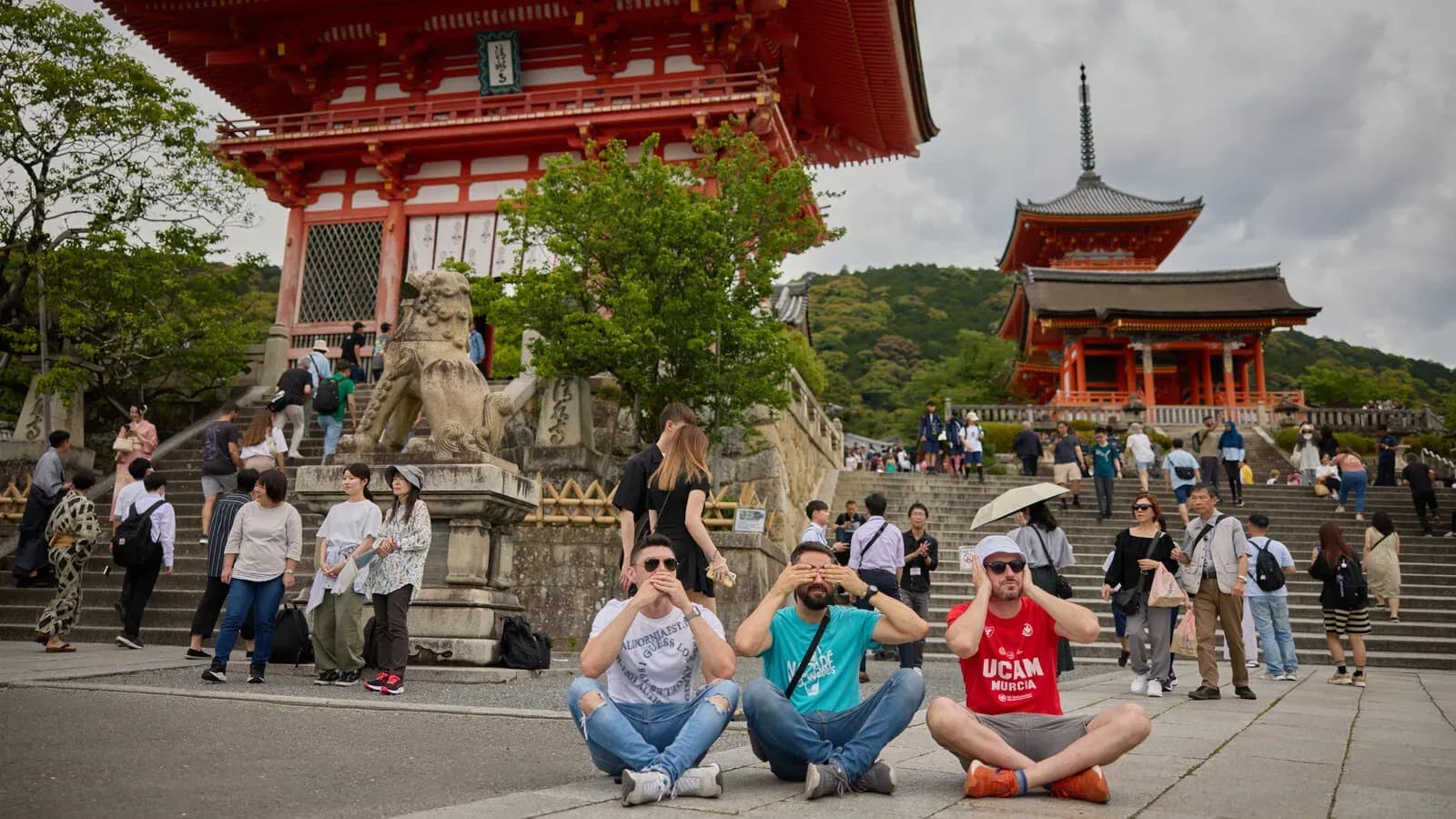
We are here with a list of top 7 Things You Should NEVER Do in Japan as a Tourist. Japan values harmony, respect, and quiet consideration, so visitors should be mindful of local etiquette at all times. Actions that may seem casual elsewhere can be viewed as discourteous here, especially in shared spaces and formal settings. Being loud, careless, or overly informal can create discomfort. Tourists are expected to observe social cues, follow unspoken rules, and respect personal boundaries. A little awareness and humility go a long way in ensuring a positive experience.
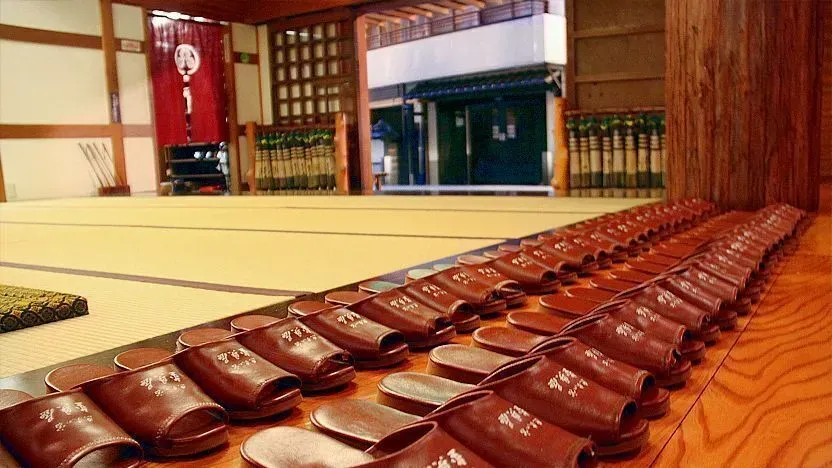
In Japan, wearing shoes indoors is considered highly disrespectful, especially in homes, temples, traditional inns, and some restaurants. Shoes are seen as carriers of dirt from outside and must be removed to maintain cleanliness. Ignoring this custom can make hosts uncomfortable and signal a lack of cultural awareness. Always look for shoe racks or slippers and follow what locals are doing.

Tipping is not part of Japanese culture and can actually cause confusion or embarrassment. Exceptional service is considered a standard responsibility, not something that requires extra reward. Offering tips may be politely refused or even returned. Instead, expressing gratitude through respectful behaviour and a simple thank you is the proper way to acknowledge good service.
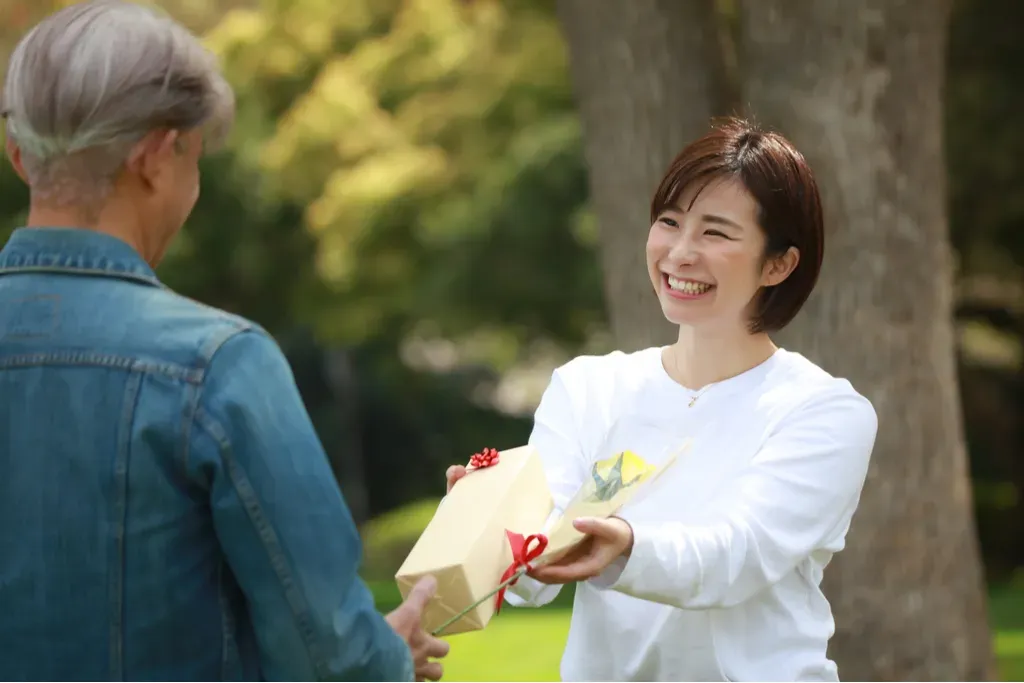
Exchanging items with both hands is a sign of respect in Japan, especially when handling money, documents, or gifts. Using only one hand can appear careless or dismissive. This practice reflects the importance of politeness and mindfulness in everyday interactions. Observing this small gesture shows cultural sensitivity and leaves a positive impression.
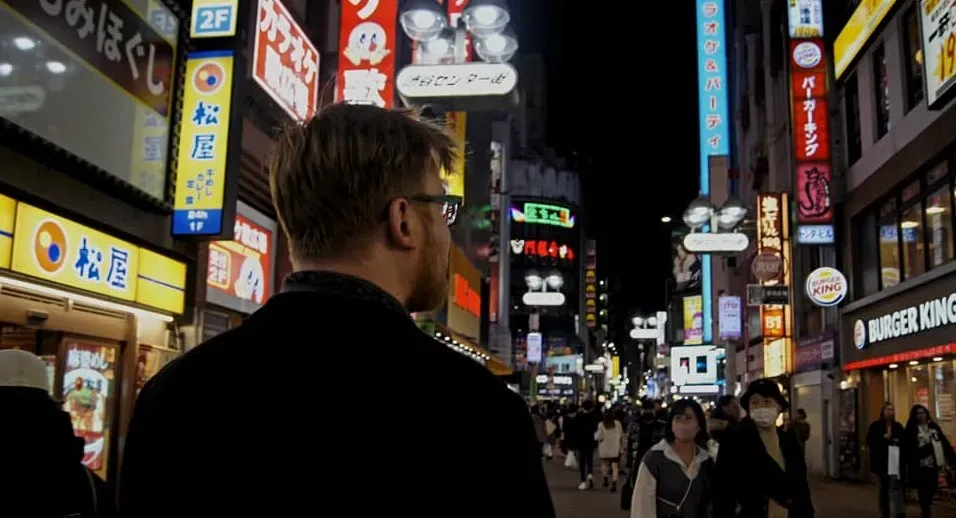
Eating while walking is generally frowned upon in Japan, as it’s considered messy and inconsiderate to others. Food is meant to be enjoyed mindfully, either standing near the stall where it’s bought or seated properly. Ignoring this norm can draw unwanted attention. Being patient and finding a suitable spot to eat is always appreciated.
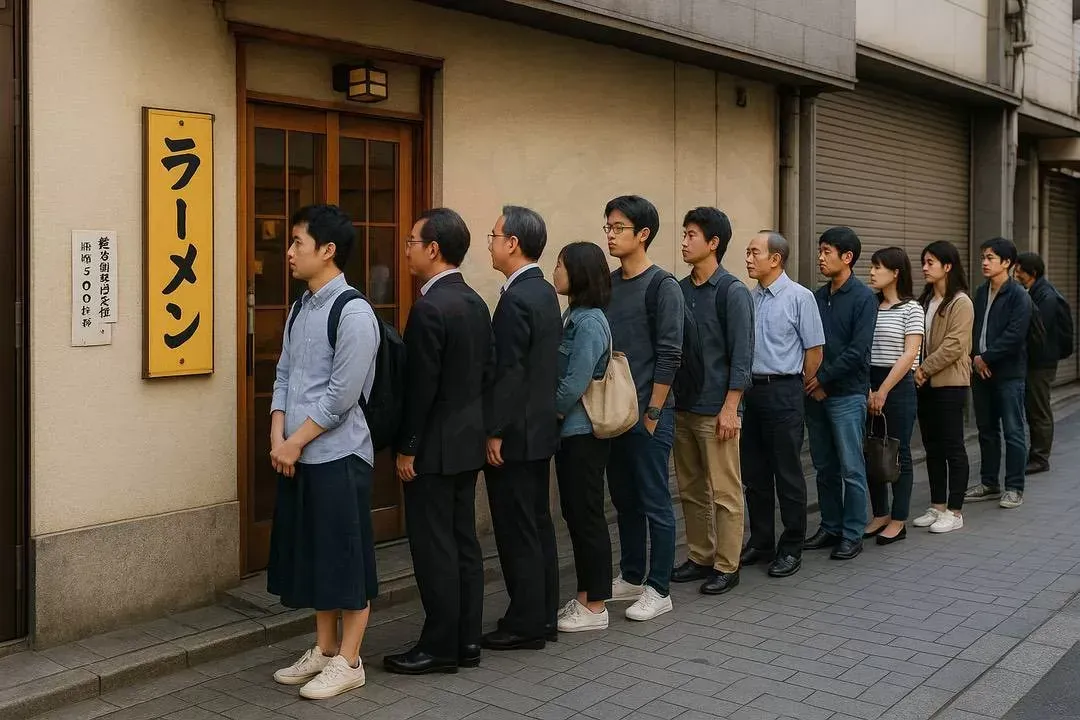
Queuing is taken very seriously in Japan and reflects the country’s emphasis on order and fairness. Whether waiting for trains, buses, elevators, or shops, cutting in line is seen as extremely rude. Even when queues are silent and orderly, they are strictly followed. Respecting lines helps maintain smooth public interactions and avoids social discomfort.
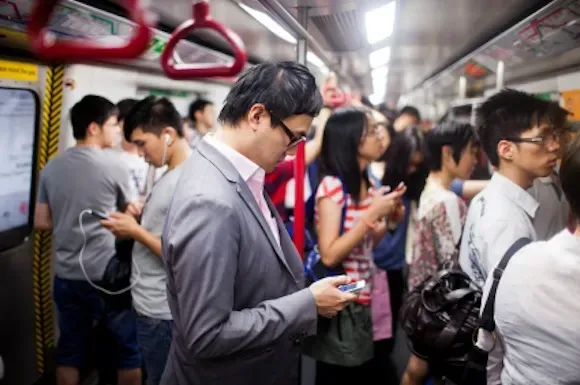
Public transport in Japan is notably quiet, and talking on the phone is considered disruptive. Passengers are expected to keep conversations minimal and phones on silent mode. Loud calls can disturb others and attract disapproving looks. Respecting this norm helps preserve the calm atmosphere that Japanese commuters value during their daily travel.
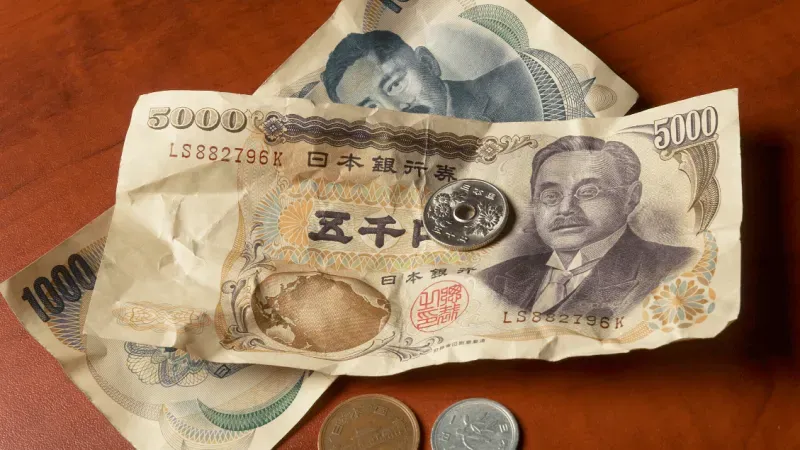
Despite being technologically advanced, Japan still relies heavily on cash, especially in smaller shops, local eateries, and rural areas. Assuming cards are accepted everywhere can lead to inconvenience. ATMs may also have limited availability or operating hours. Carrying sufficient cash ensures smoother travel and helps avoid awkward situations while making payments.
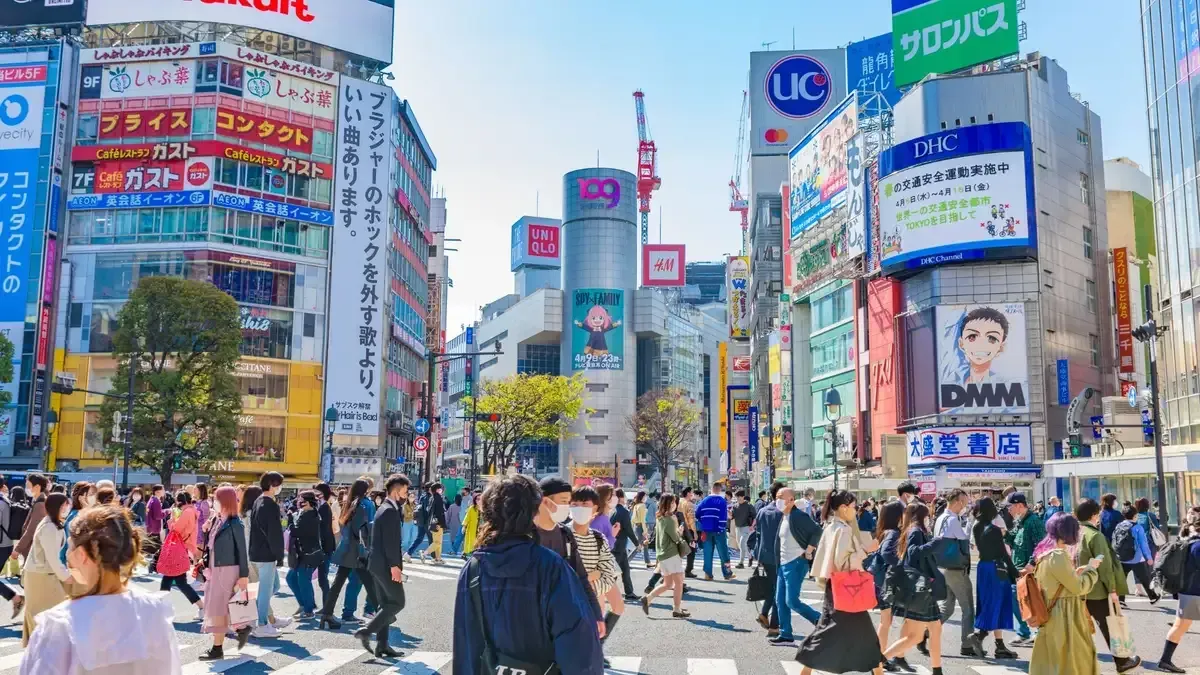
These were selection of top 7 things not to do in Japan as a tourist. Understanding cultural expectations is key to enjoying Japan respectfully and comfortably. What truly matters is not memorising rules, but approaching daily interactions with patience, observation, and consideration for others. Visitors who remain courteous, adaptable, and mindful of their surroundings are warmly received. By respecting local customs and social norms, tourists can avoid misunderstandings and fully appreciate Japan’s unique blend of tradition, order, and hospitality.
Share it with your friends
Join India's fastest-growing travel platform and expand your business across South-East Asia
Access to thousands of customers actively looking for tours
Dedicated account manager and marketing assistance
Showcase your packages to travelers from all over India
Trusted by 500+ travel agents across India